
decorative glass frosting
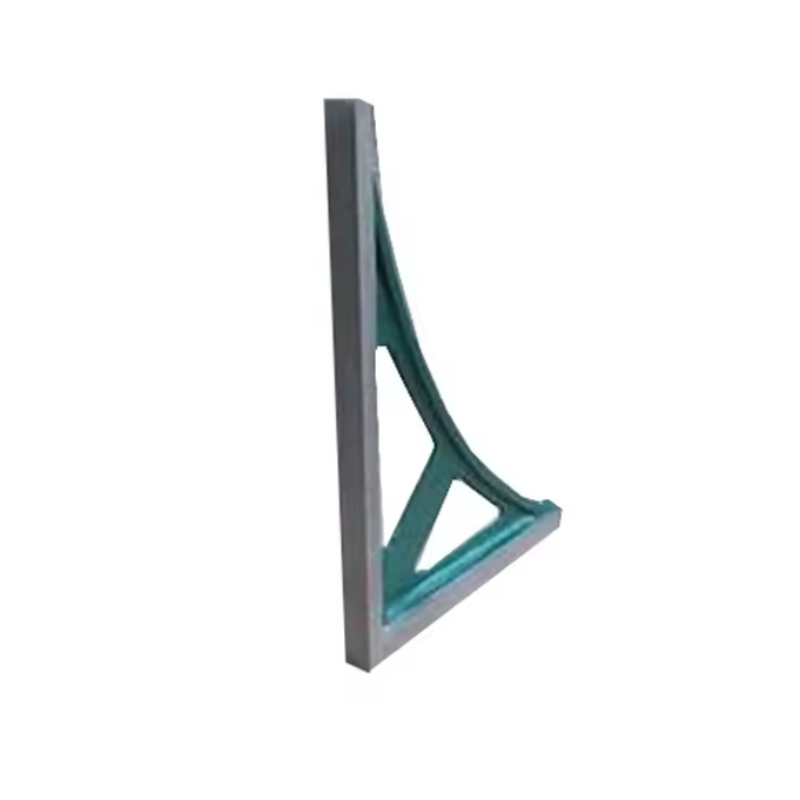
The Utility and Significance of a Ruler with a Right Angle In the world of design, construction, and woodworking, precision is paramount. Among the tools that facilitate this precision, the ruler with a right angle stands out as an essential instrument. This tool, also known as a carpenter's square or framing square, is not only a simple measuring device but also a critical component in ensuring accuracy in various projects. This article explores the utility, significance, and applications of a ruler with a right angle in different fields. The Utility and Significance of a Ruler with a Right Angle One of the primary uses of a ruler with a right angle is in layout work. In woodworking, for instance, ensuring that joints fit perfectly requires careful measurement and angles. By using this tool, craftsmen can mark out precise points and create perfect angles for cuts—vital for everything from framing walls to building cabinets. Without the accuracy provided by a right-angle ruler, even the smallest mistakes can lead to significant structural issues later in the building process. ruler with right angle In architecture, the right angle is crucial in ensuring not only aesthetic appeal but also the integrity of a structure. Buildings are designed with specific geometrical shapes where right angles are fundamental. An architect uses the ruler to draft plans that adhere to the principles of balance and stability. Each right angle contributes to the overall strength of the building, ensuring it can withstand various stresses and loads over time. Moreover, the significance of a ruler with a right angle extends beyond construction and architecture. In fields like graphic design and art, artists utilize this tool to maintain proportions and symmetry in their work. When creating layouts or designing logos, having the ability to draw right angles helps ensure that elements are aligned and visually appealing. This precision is key in delivering a polished final product. Another important aspect of the ruler with a right angle is its role in educational environments, particularly in teaching mathematics and geometry. Students learn the importance of angles through practical applications using this tool. By physically measuring and constructing angles, learners gain a deeper appreciation for geometric principles and develop essential skills that will serve them in various professions. In conclusion, a ruler with a right angle is an indispensable tool across multiple fields, from woodworking and architecture to graphic design and education. Its ability to ensure accuracy and quality in measurements plays a pivotal role in the success of numerous projects. Whether one is a professional tradesperson or a novice DIYer, understanding how to effectively use this tool can enhance not only the quality of their work but also their overall experience in the craft. In a world where precision matters, a ruler with a right angle remains a trusted companion, guiding users to create functional and aesthetically pleasing designs. Thus, its utility extends beyond mere measurement—it embodies the principles of accuracy, craftsmanship, and creativity.
about
decorative glass frosting
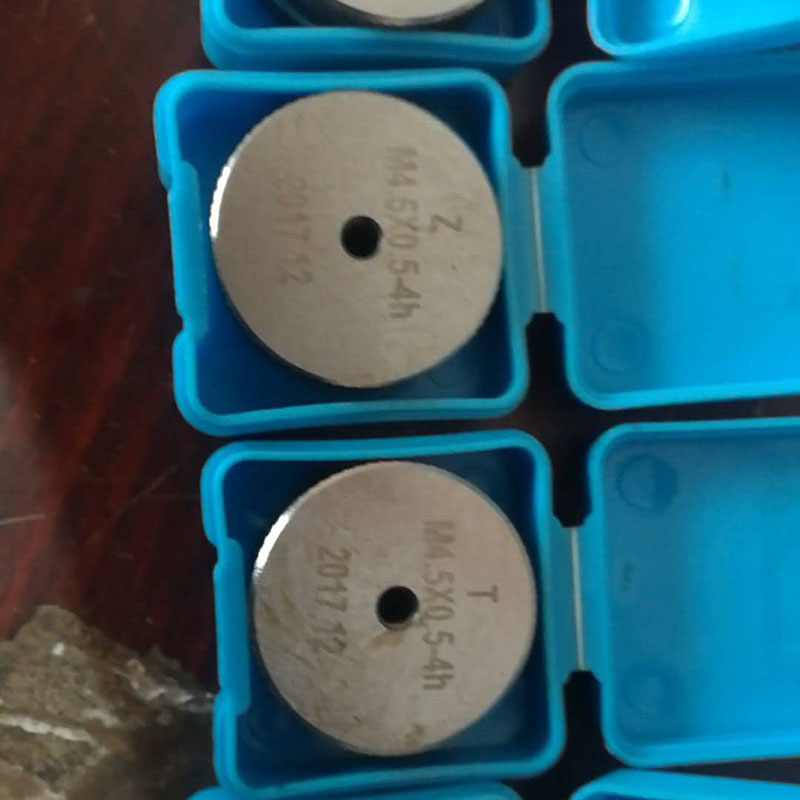
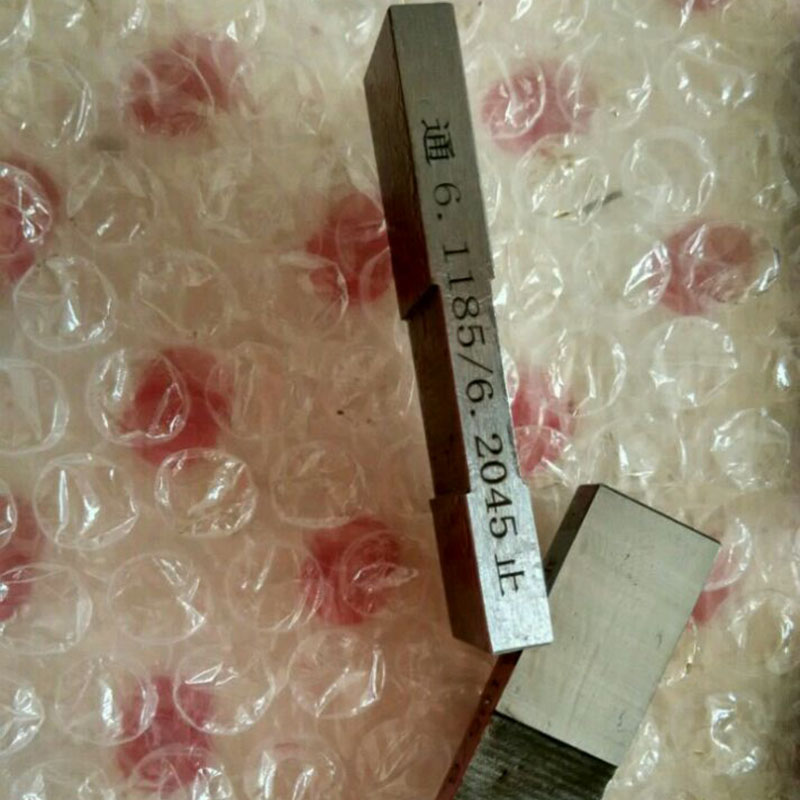
Understanding Gauge Pin Class A Comprehensive Overview In the world of manufacturing and precision engineering, the importance of accurate measurements cannot be overstated. One crucial tool that assists in achieving these precise measurements is the gauge pin. Specifically, the gauge pin class is a concept that plays a significant role in ensuring the effectiveness and reliability of these measuring instruments. What is a Gauge Pin? A gauge pin is a precision tool used for measuring the size of holes, checking the alignment of parts, and verifying dimensions within manufacturing processes. They come in various diameters and are typically made from hardened steel or carbide to withstand wear and tear, ensuring longevity and accuracy. The use of gauge pins is critical in quality control and assurance functions, where they are utilized to test the conformity of manufactured components. The Significance of Gauge Pin Class Gauge pins are categorized into classes based on their tolerances and applications, which is what we refer to as the gauge pin class. This classification system helps manufacturers select the appropriate gauge pin for a specific measurement task, ensuring that the tools align with the necessary precision requirements. 1. Tolerance Levels Different classes of gauge pins have specific tolerance levels that dictate how much deviation from the nominal size is permissible. The tighter the tolerance, the more precise the gauge pin must be, which is particularly important in industries such as aerospace, automotive, and medical device manufacturing, where precision is paramount. 2. Applications Each gauge pin class has its designated applications . For instance, a higher class pin may be used in tasks that necessitate tighter tolerances, while a lower class might suffice for less critical applications. Understanding the appropriate gauge pin class ensures that engineers and technicians use the right tool for the job, minimizing the risk of errors. Choosing the Right Gauge Pin Class gauge pin class When selecting a gauge pin, several factors must be considered - Measurement Requirements Determine the degree of precision required for the specific application. If the tolerances are strict, a high-precision gauge pin is essential. - Material Compatibility The material of the gauge pin must be compatible with the components being measured to prevent wear or damage. For high-volume production, using more durable materials can reduce replacement costs in the long run. - Environmental Considerations Gauge pins used in harsh environments must be able to withstand potential corrosive elements. In such cases, the material and coating of the pins become critical to prolong their life and maintain measurement integrity. Maintenance of Gauge Pins To ensure that gauge pins retain their accuracy over time, maintenance practices must be implemented. This includes - Regular Calibration Gauge pins should undergo periodic calibration to confirm their precision. This can be done using master gauges that provide a reference standard for measurement. - Cleaning and Inspection After use, gauge pins should be cleaned to remove any debris or contaminants. Regular inspections for wear, chips, or deformation are necessary to identify any issues that could impact measurement accuracy. - Proper Storage Gauge pins should be stored in protective cases to prevent damage. Keeping them away from humidity and extreme temperatures can also help maintain their precision. Conclusion In the realm of precision measurement, gauge pins serve as indispensable tools that ensure product quality and compliance with stringent engineering standards. Understanding gauge pin class, its significance, and how to choose and maintain these tools can significantly enhance measurement accuracy and reliability in manufacturing processes. As industries continue to evolve and the demand for precision increases, the proper application of gauge pin classes will remain a vital aspect of engineering and quality assurance.
-

High quality industrial productsagement

High quality industrial products
View Details -

Meet the diverse needs of customers

Meet the diverse needs of customers
View Details -

Strict quality control

Strict quality control
View Details -

Top raw materials

Top raw materials
View Details -

Trusted supplier

Trusted supplier
View Details
Our application


news and information
Wholesale Suppliers for High-Quality Ball Valves in Diverse Applications
The Wholesale Market for Ball Valves Trends and Insights In the industrial landscape, ball valves pl
Verktyg för att mäta och utvärdera prestationer och framsteg
measuring tool .
Vertical Y strainer efficient way to filter particles from fluid flow.
Vertical Y strainers are essential components in piping systems that are designed to remove unwanted
 English